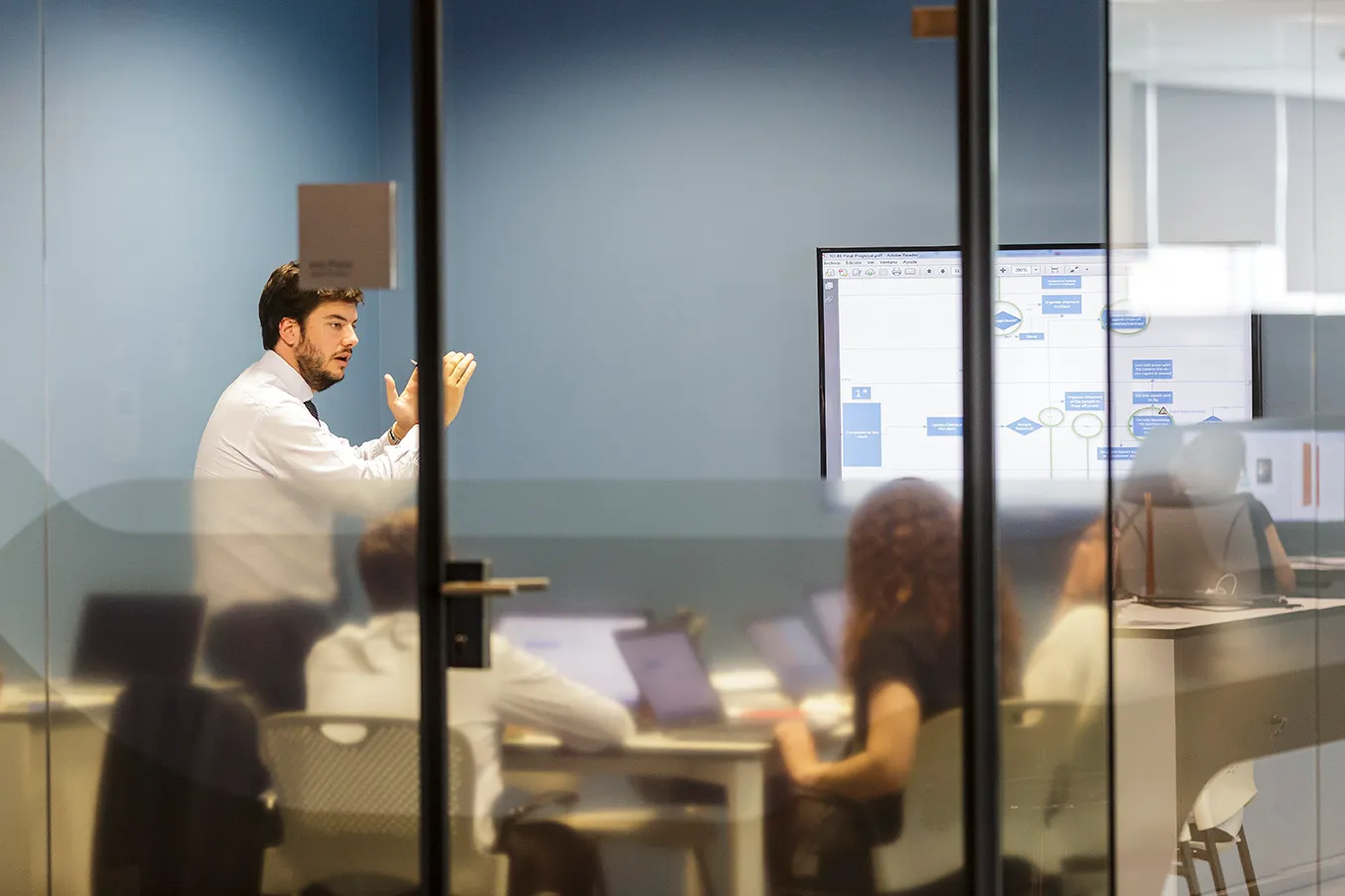
A cultural transformation to break down silos
Client
VEOLIA (AGBAR)
Sector
Utilities
Location
Barcelona
People
700
M2
14.000
Challenge
Throughout its more than 150-year history, Agbar (later Suez and now Veolia) has always been closely linked to major transformations in the city and its surroundings. It has accompanied Barcelona on its journey to becoming one of Europe's leading business hubs.
In 2014, the decision was made to leave the iconic Torre Agbar and move to more horizontally organised offices in Zona Franca, an area that was less developed at the time, helping to drive its growth as the company had previously done in the 22@ district. D38, designed by Japanese architect Arata Isozaki, and Building T, designed by Spanish architect Alejandro Zaera-Polo, were chosen as the organisation's new location. This property decision was seen as an opportunity to reflect more deeply on how the organisation wanted to work and engage with its surroundings.
Our approach
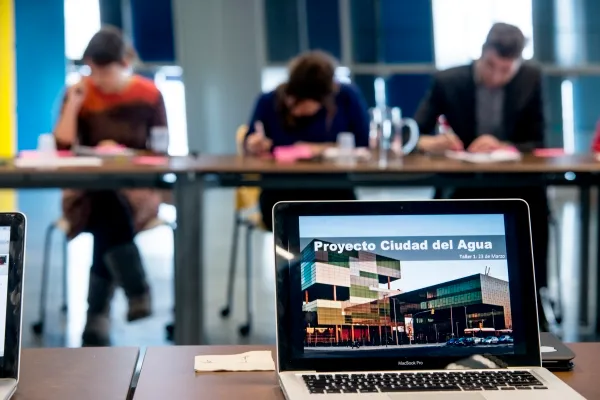
Through a participatory process, a clear cultural transformation strategy was defined, built around agility and digitalisation. The strategy placed people and their needs at the centre, aiming to improve collaborative working, knowledge management, innovation and sustainability in the workplace. It had a direct impact on the spatial concept, technology, working practices and work organisation, as well as cultural aspects.
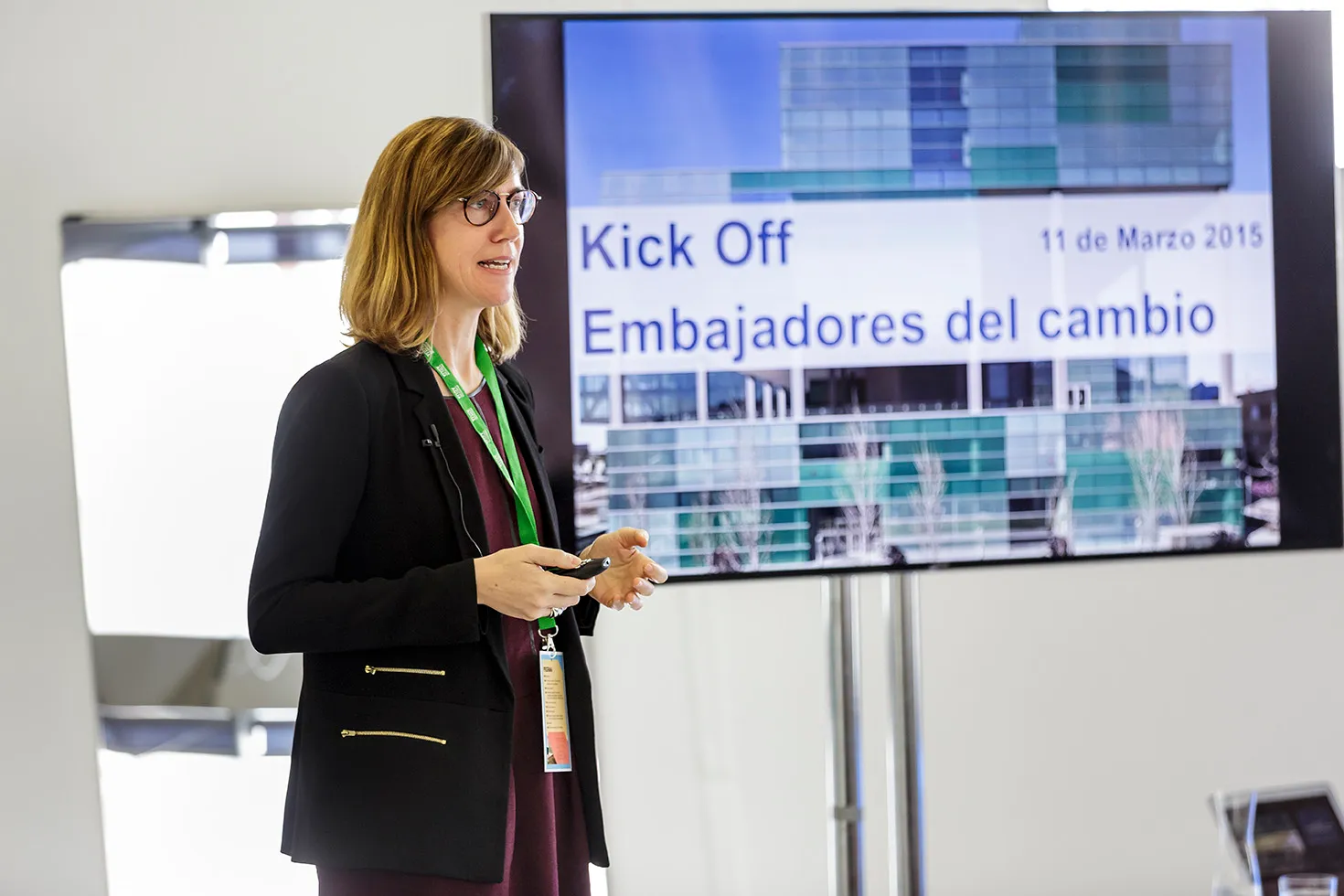
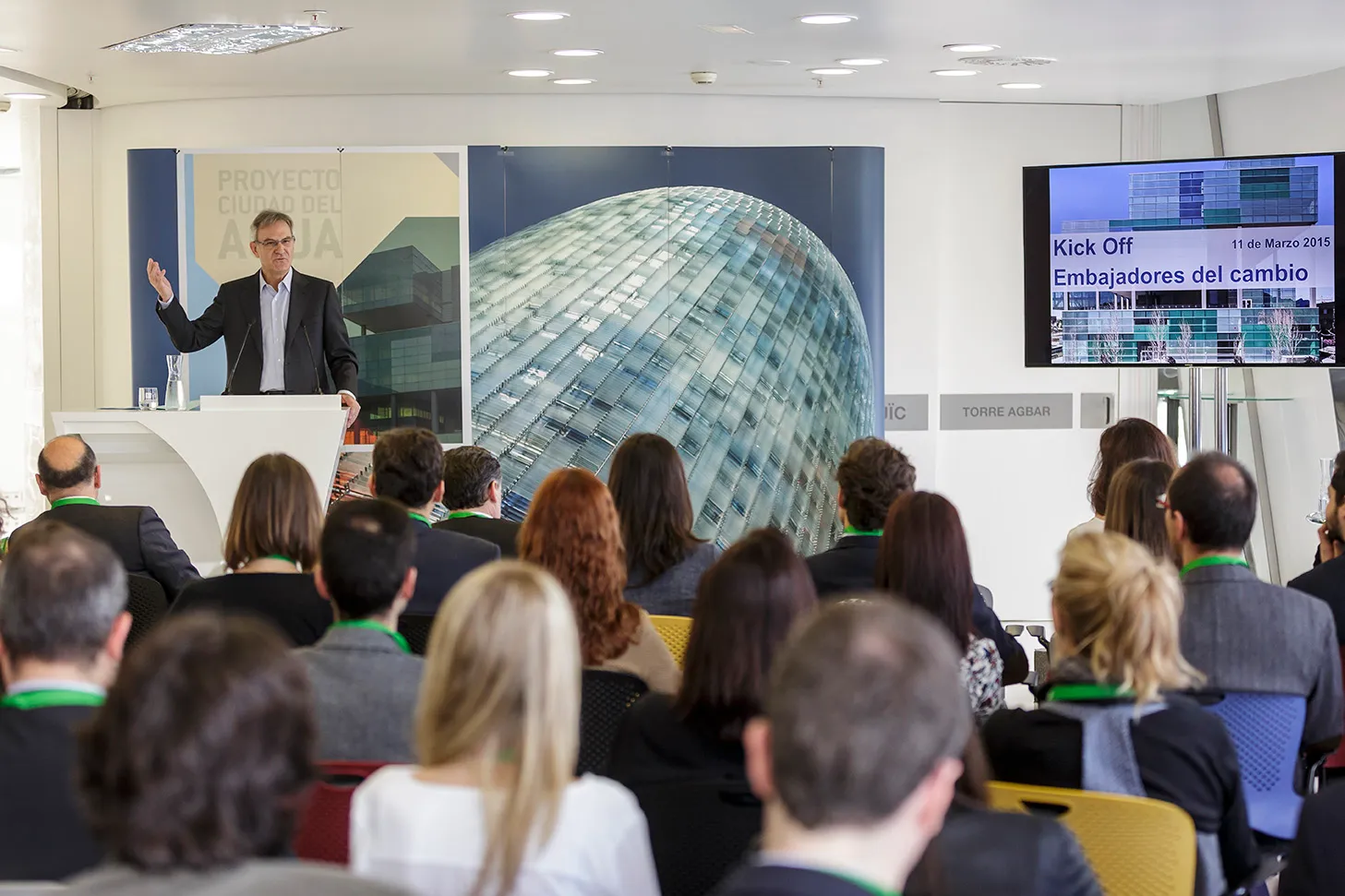
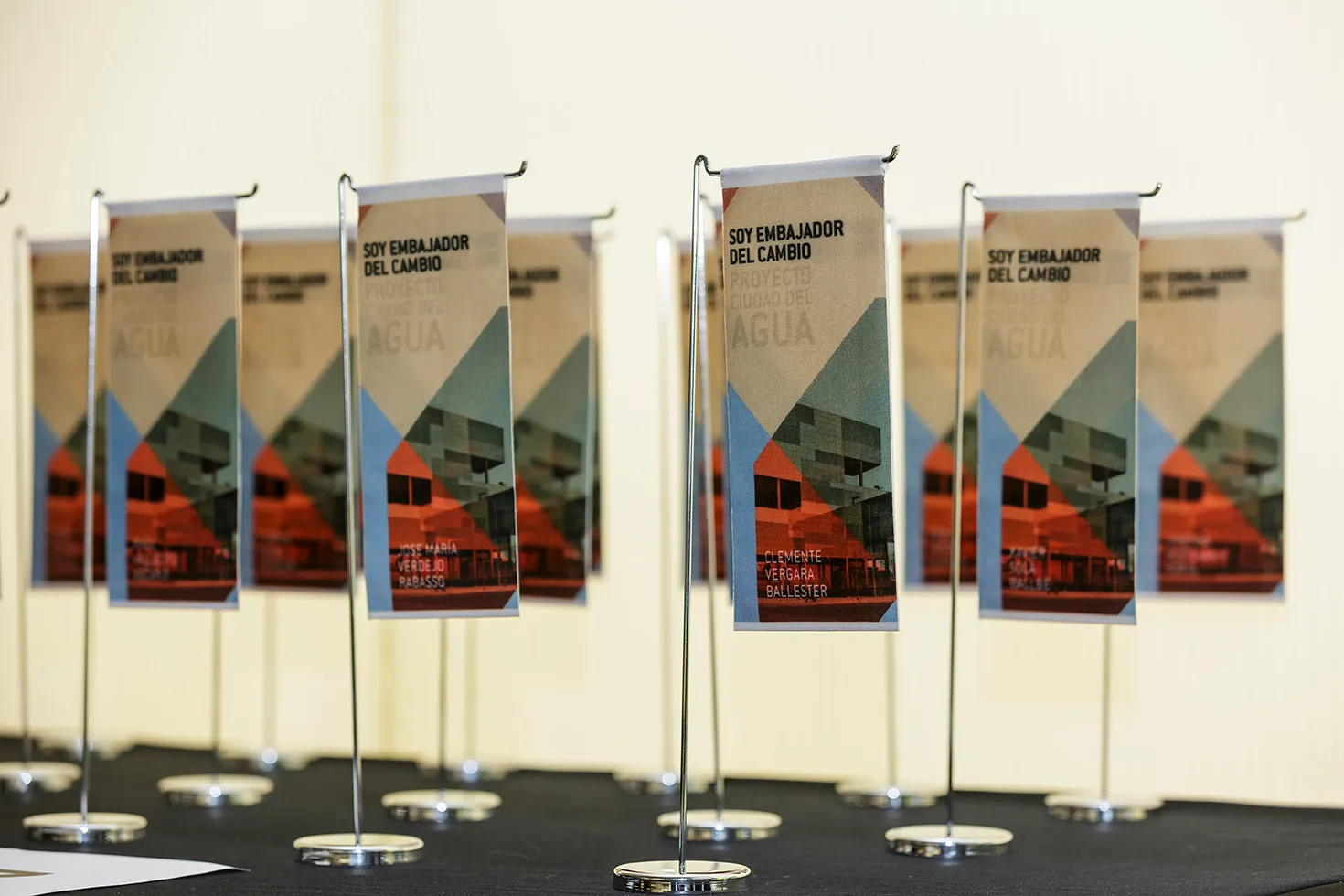
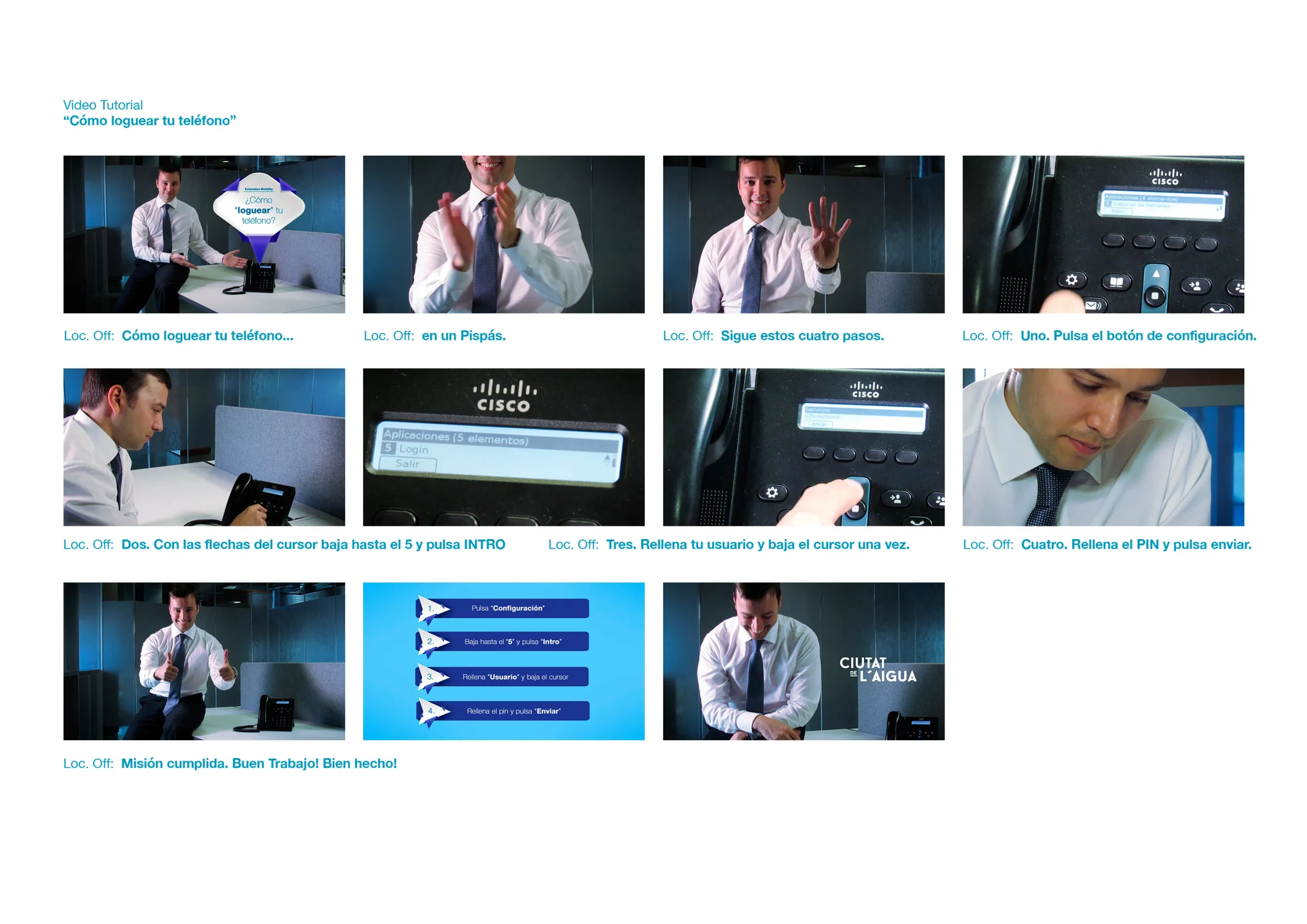
To make this change a reality, a transformation office was established, bringing together the disciplines affected by the project, an ambassador network, a communications plan and a series of essential initiatives to ensure the organisation was ready for the new technological solutions and working processes.

Generated impact
This project marked the starting point of a much broader collaboration with Veolia. The Ciutat de l'Aigua project laid the foundations for a cultural evolution that subsequently led to other initiatives, including hybrid working, portfolio assessment across the commercial network and innovation hubs.
Some of the project's key results were:
• 97% of employees were satisfied with the entire change process (with ratings ranging from 'exceeded expectations' to 'satisfactory').
• Only 13% of the original documentation was transferred, while almost one million pages were digitised. The project led to the creation of a document management unit.
• A network of 56 ambassadors was established. After the move to the new workplace, this was reduced to 33, but the network remained in place to continue developing the project.
• Following the move, a 20% remote-working pilot was carried out, providing a springboard for further progress towards a more flexible working model.
Recent Insights
Challenges facing the pharmaceutical industry in the future of work
At this event, we had the opportunity to talk to experts about the main challenges facing working practices in the sector....
View moreOne-to-one feedback template: Facilitating constructive conversations
This template provides a structured yet flexible framework that ensures both personal and professional development are addressed, enabling a comprehensive and productive conversation during each session....
View moreSynchronisation Matrix – Collaboration for Hybrid Models
In today’s changing work environment, two key concepts are often discussed: ‘synchronisation’ and ‘on-site collaboration’. But what do they really mean, and when do we need them?...
View more