Creating environments that drive innovation
Client
SICK
Sector
Technology
Location
Waldkirch
People
780
M2
8500
Challenge
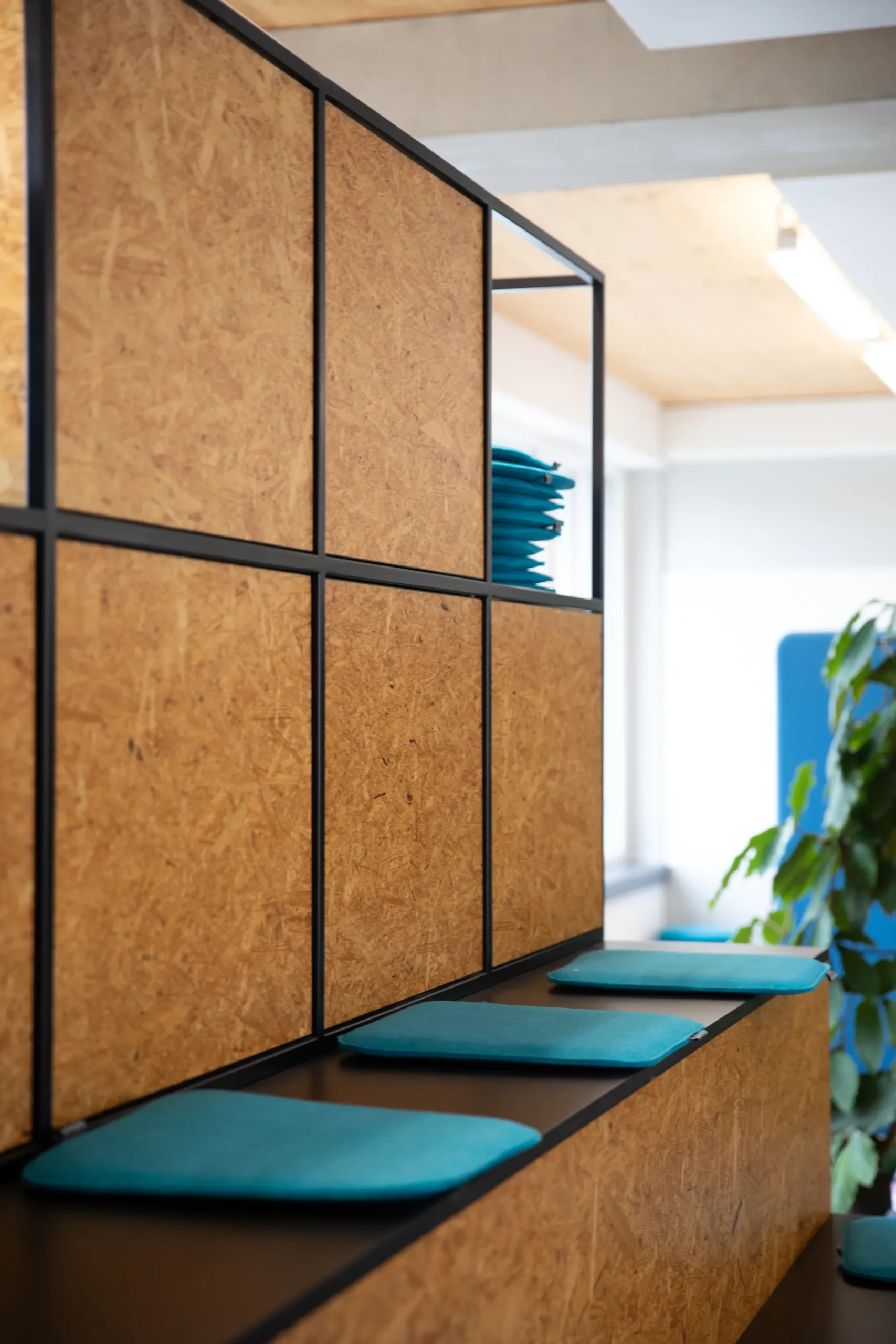
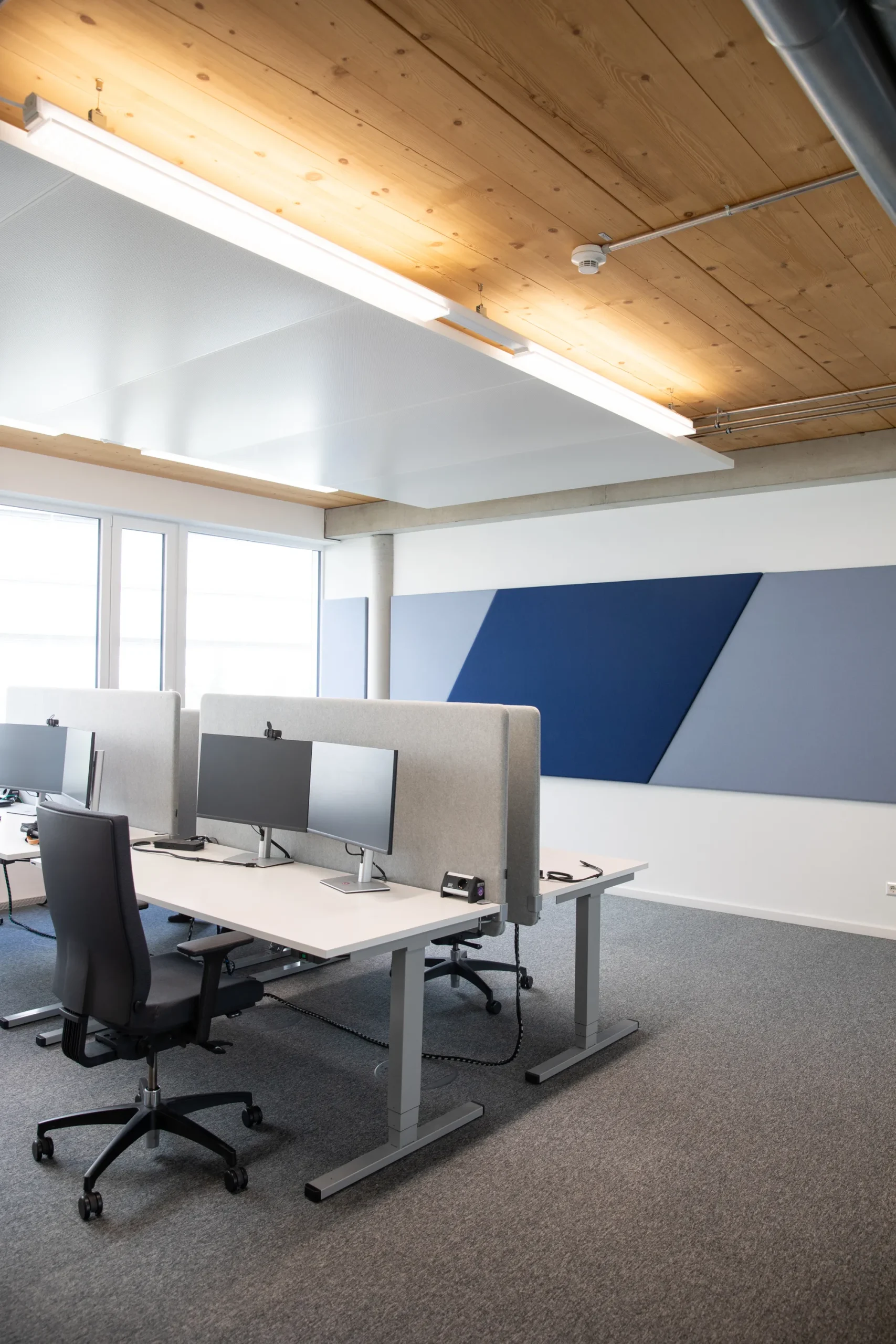
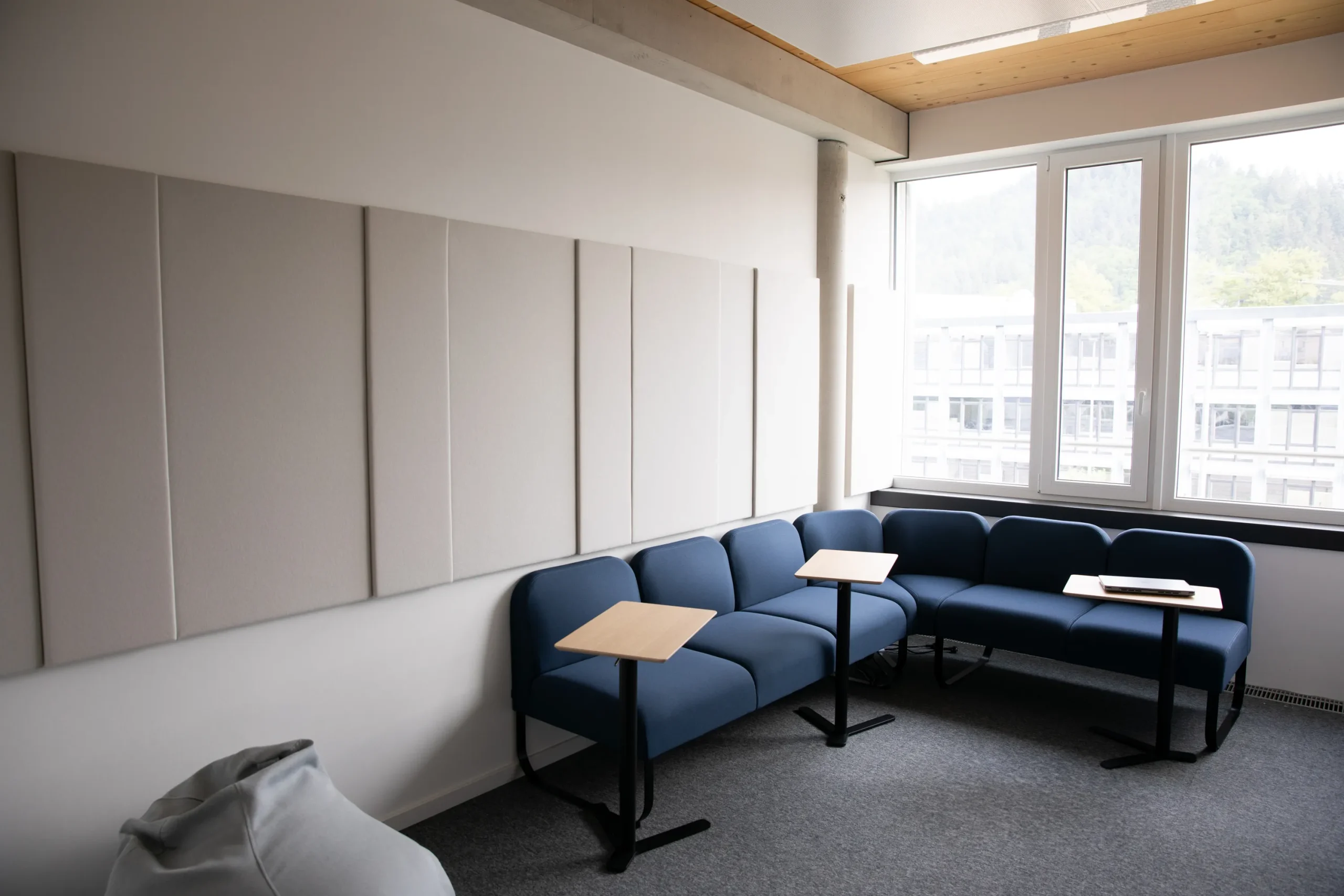
The R&D department was based in a building on the SICK campus that did not reflect its dynamic way of working. This resulted in uneven use of space and a lack of areas tailored to employees’ needs, highlighting the opportunity to rethink the workplace and create an environment that fosters innovation, collaboration and productivity, while also allowing for growth and flexibility within the building.


Our approach
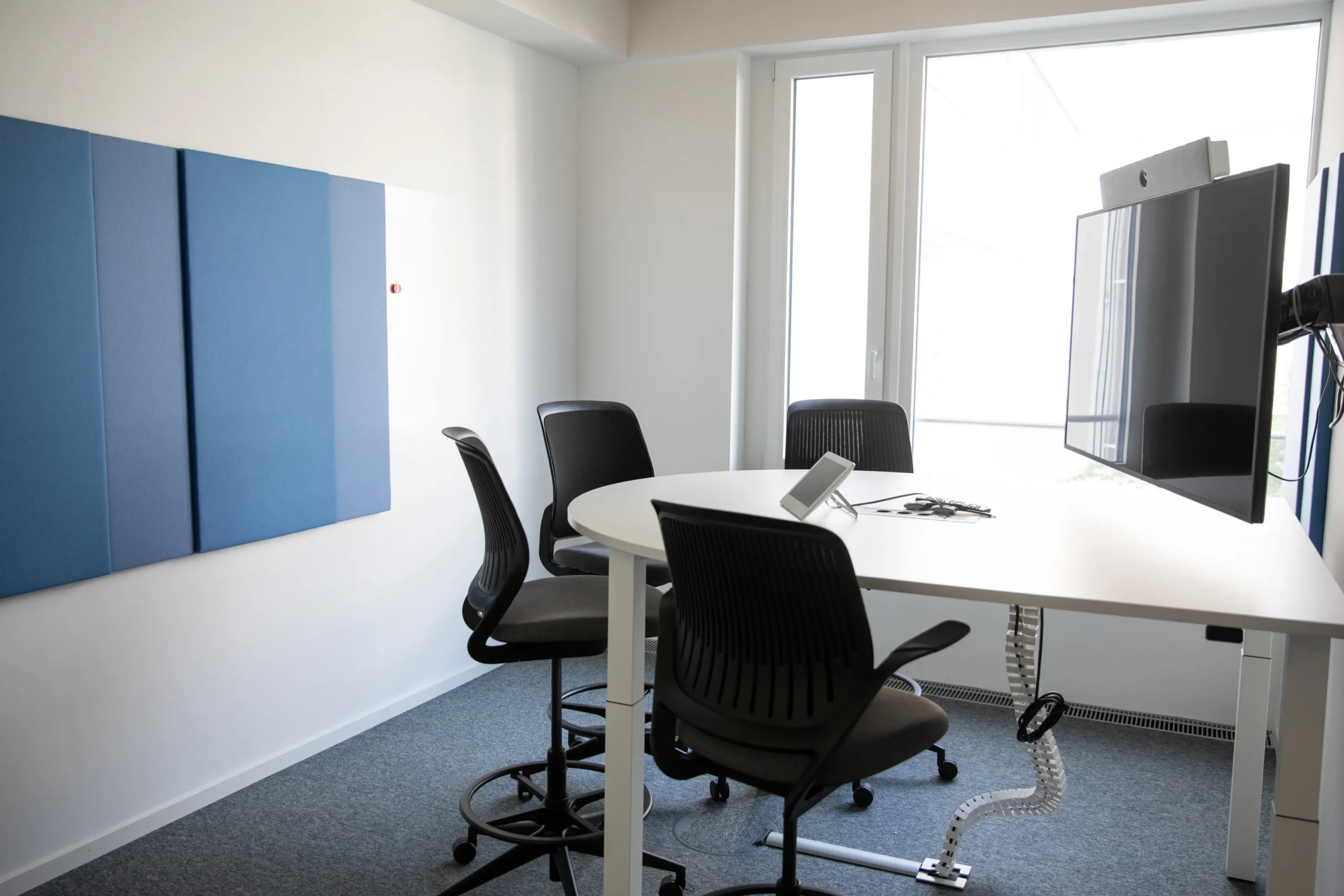
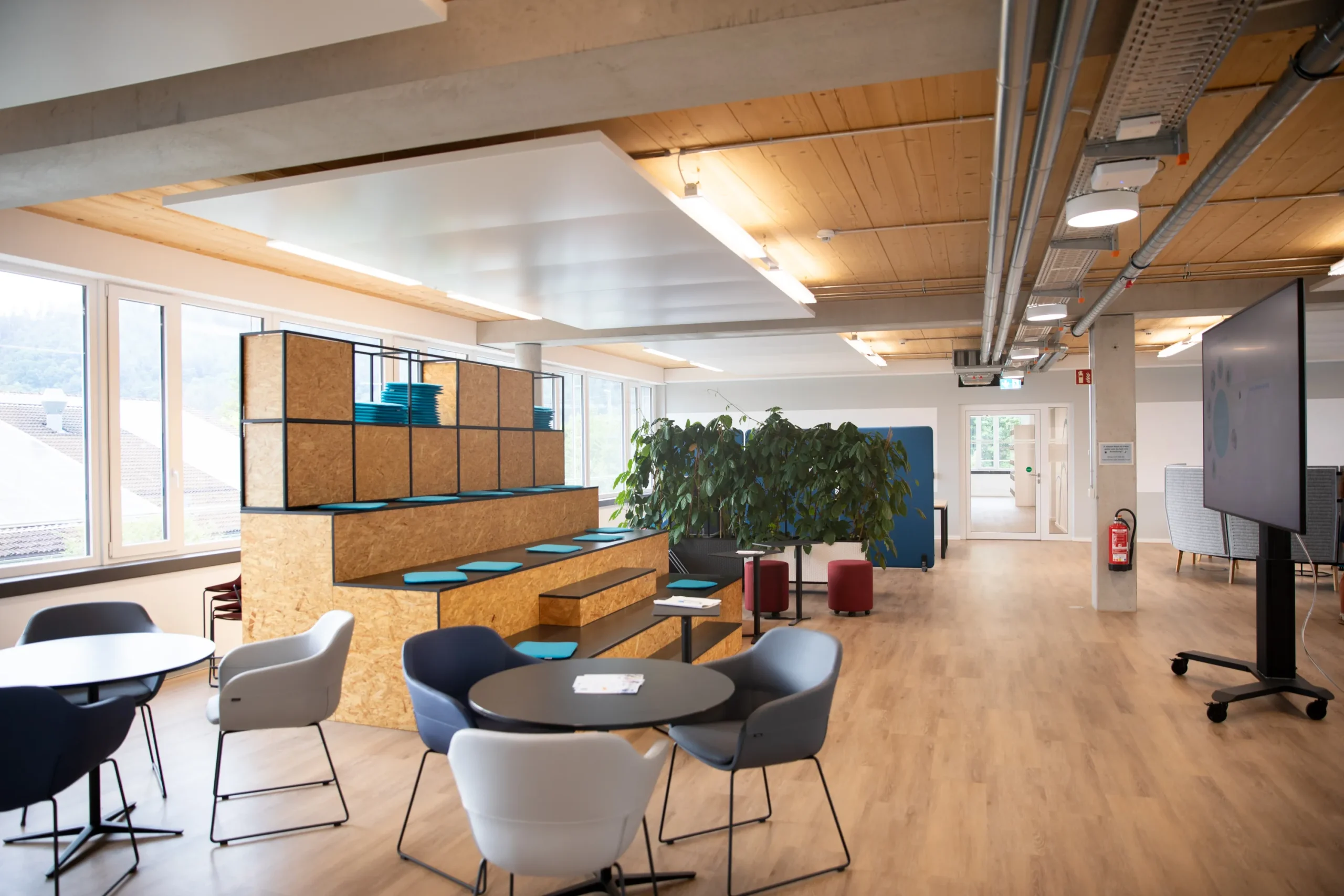
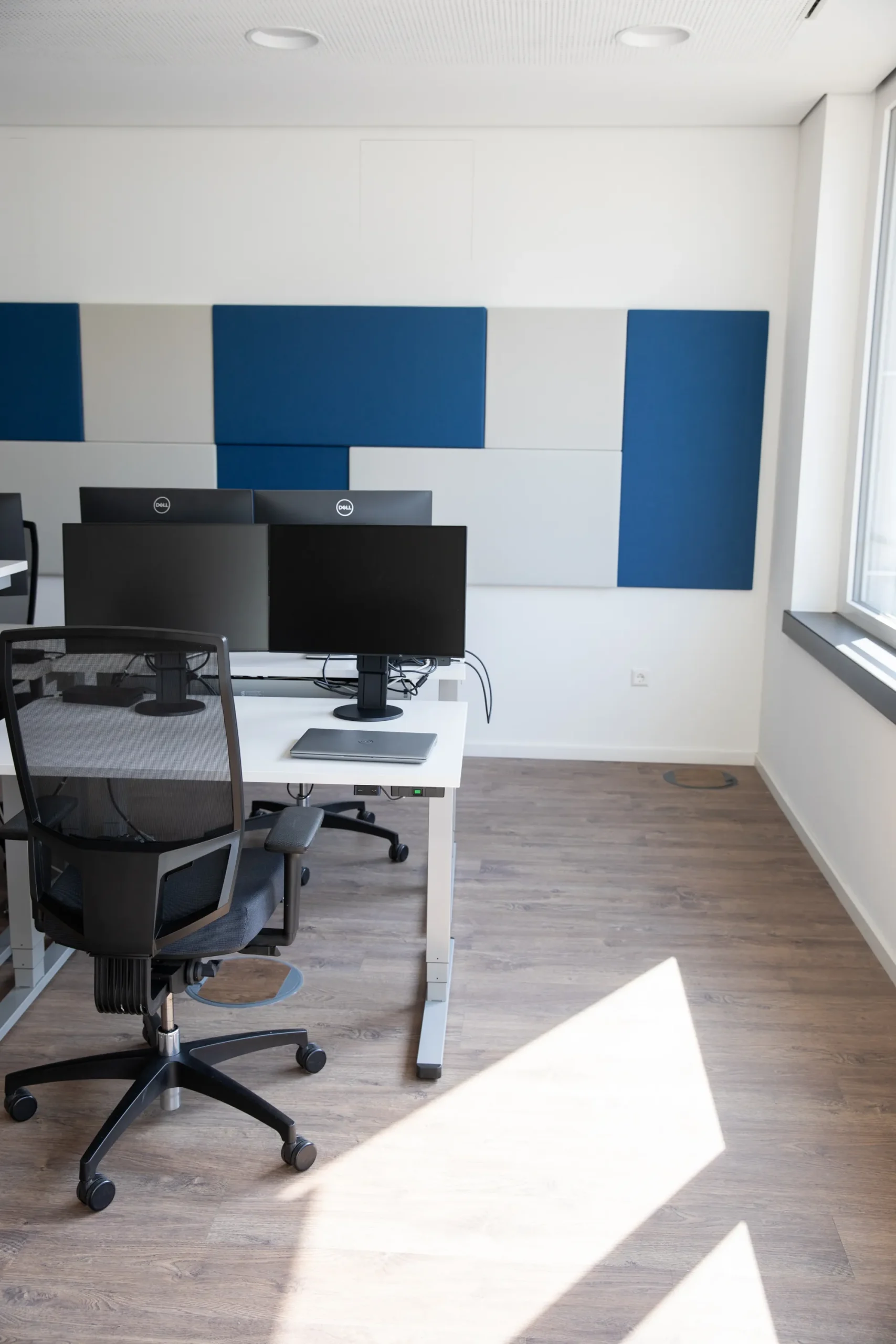
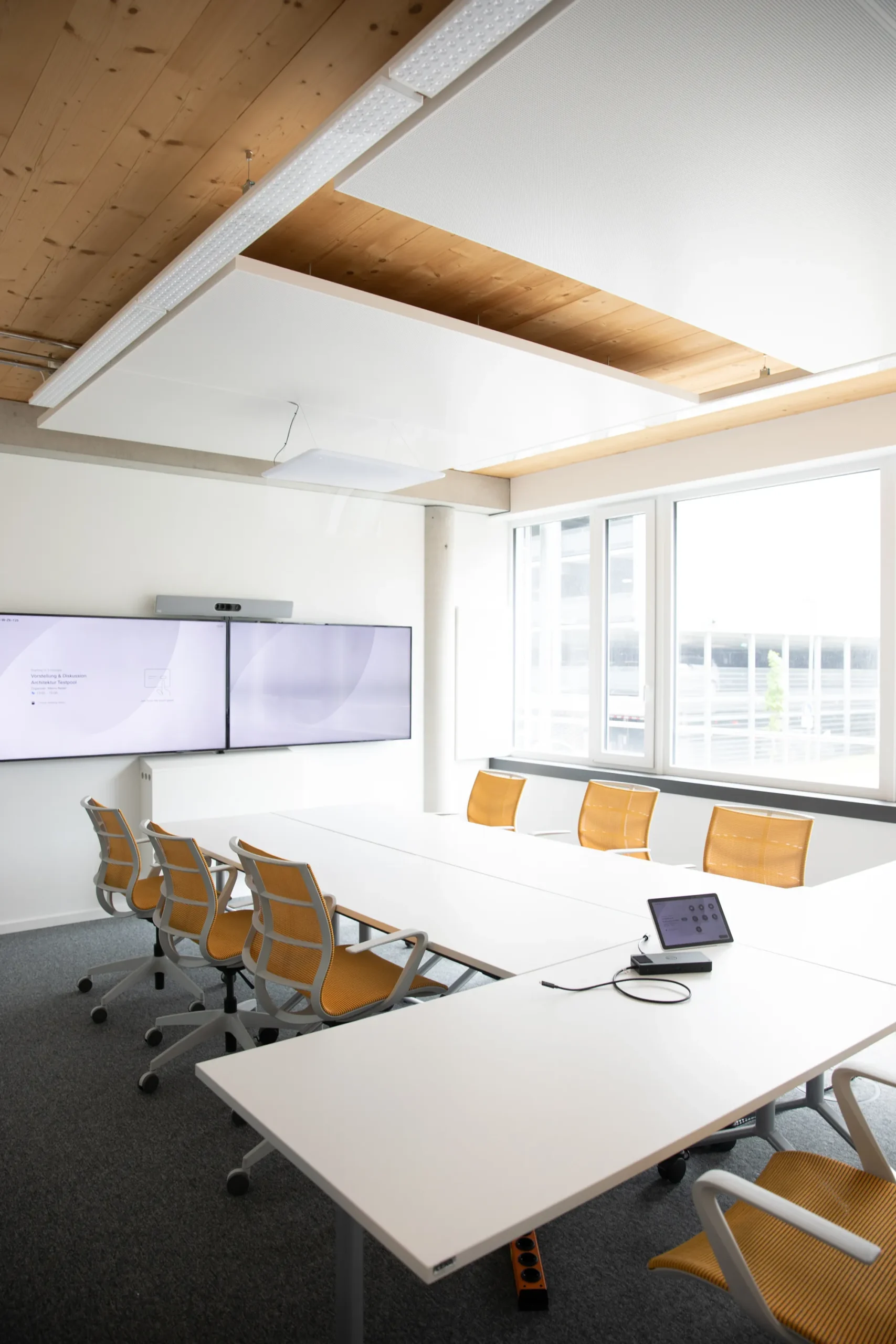
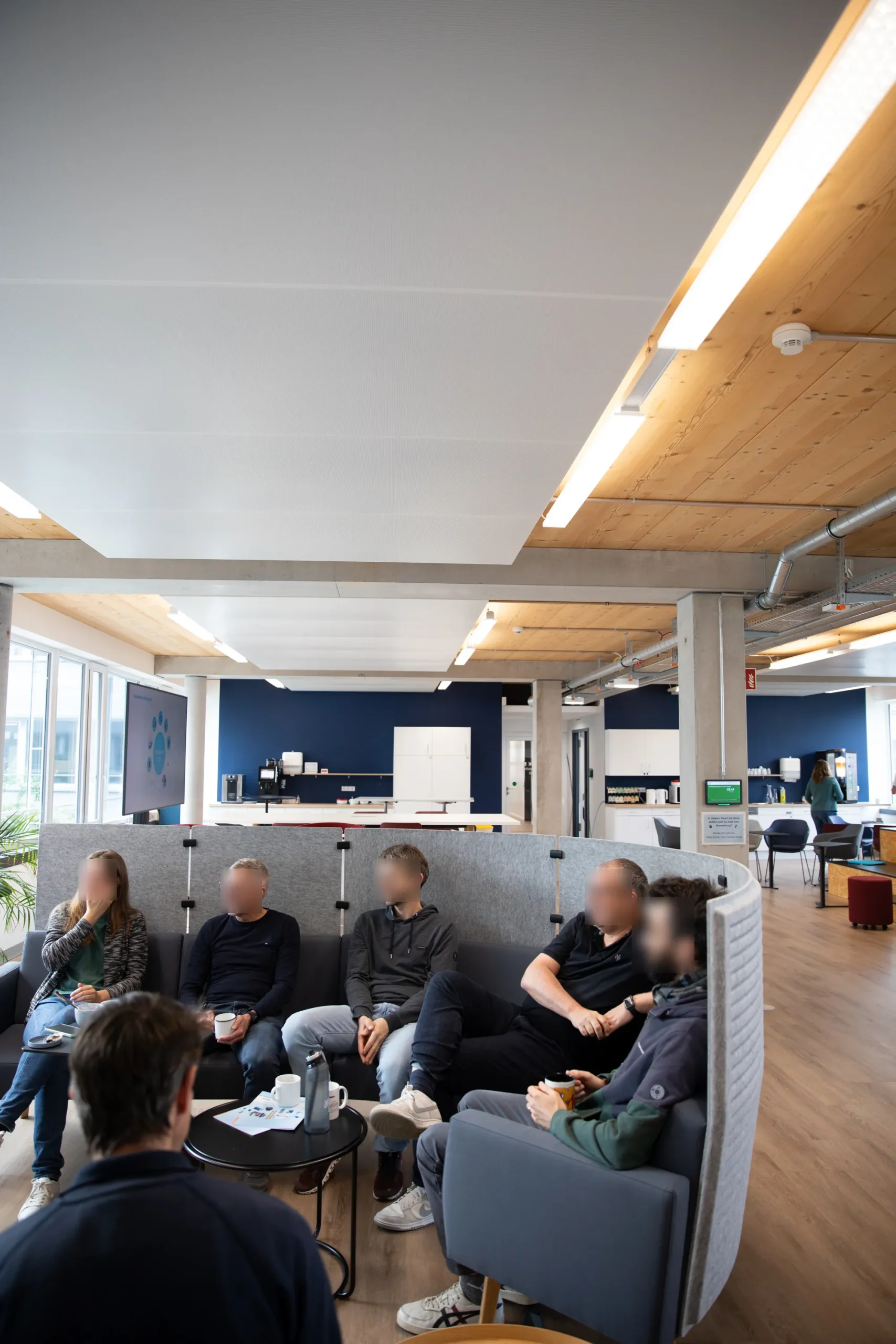
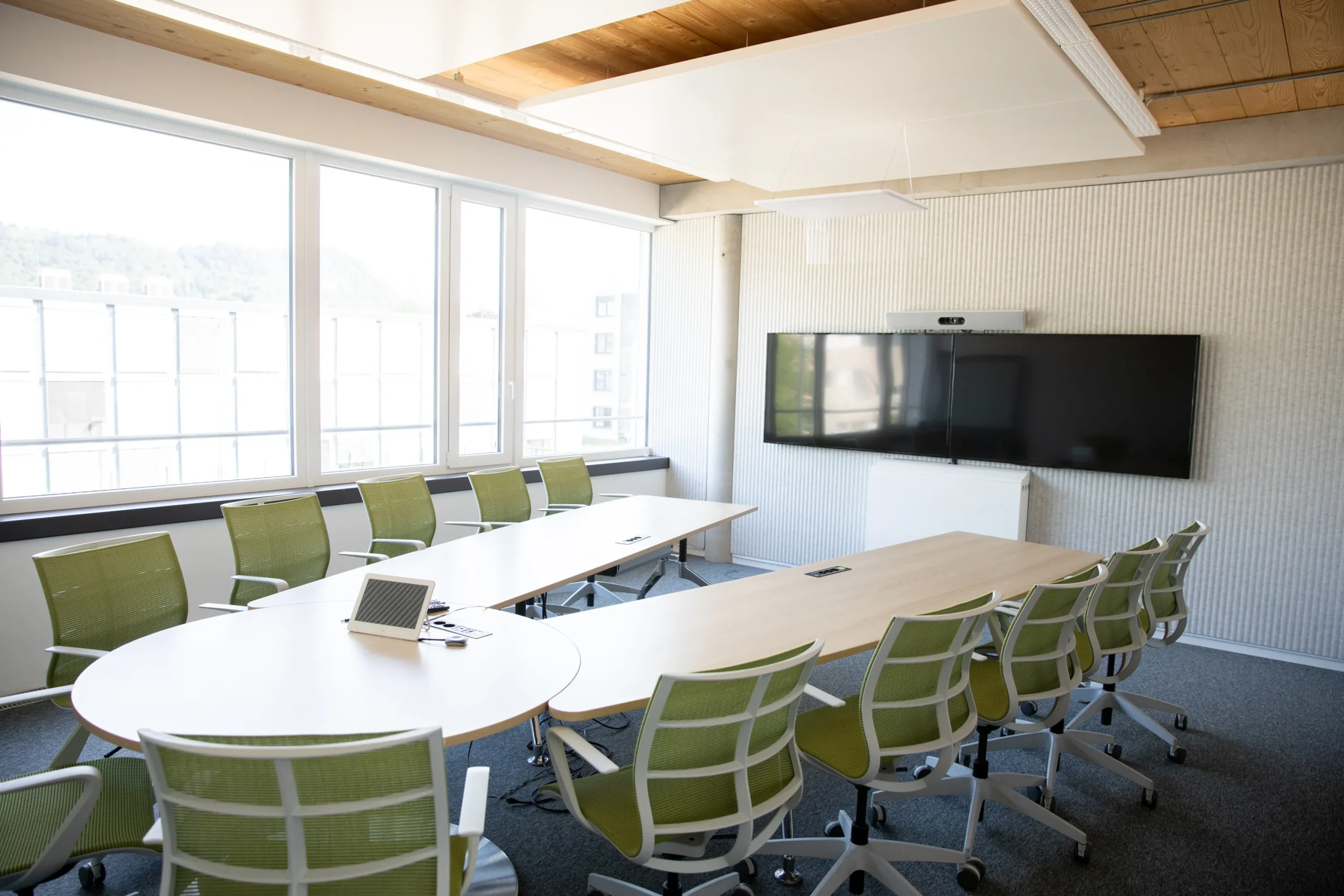
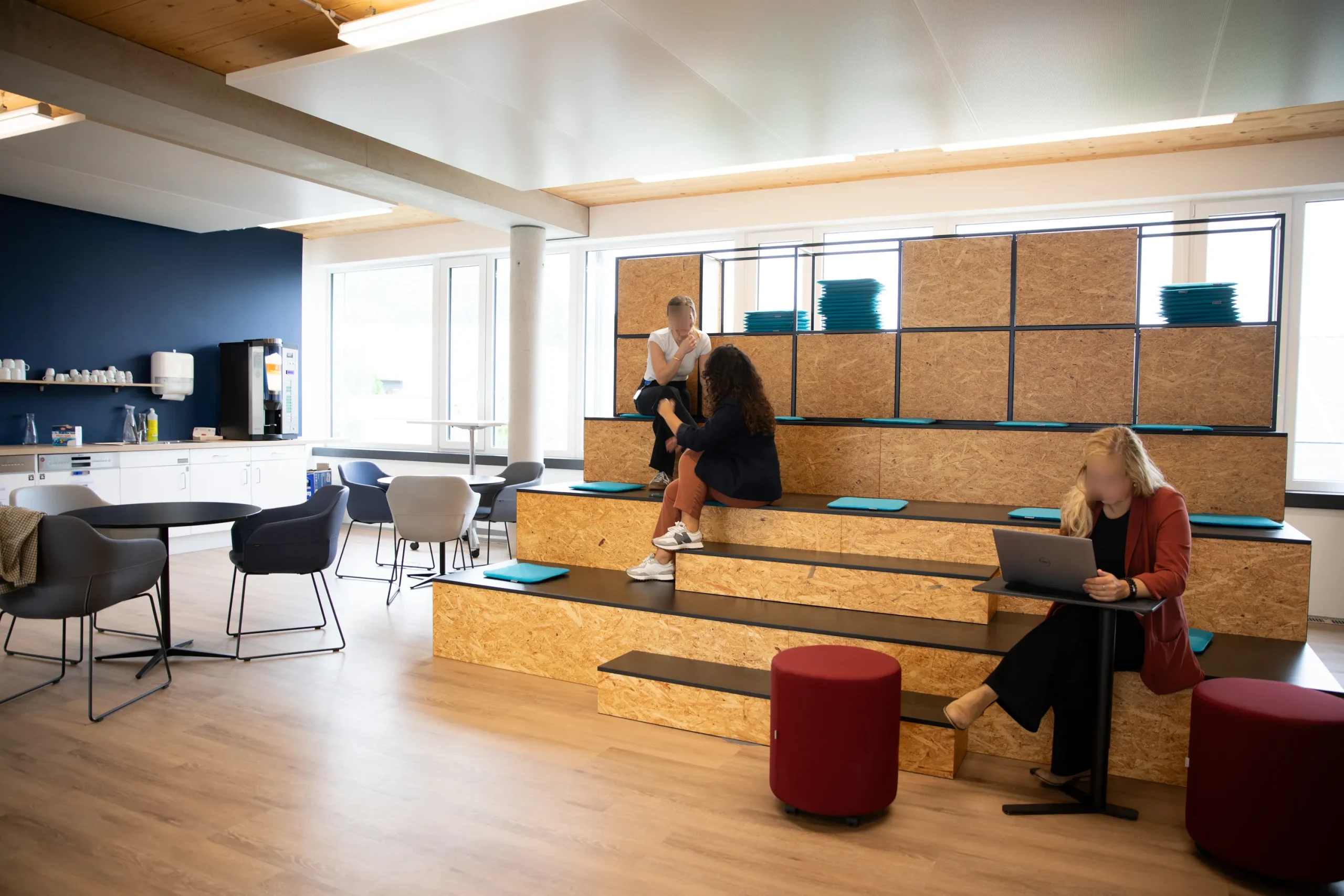
BICG developed the strategy and architectural design. The aim was to bring together the different employee profiles and their new ways of working in a shared space through a bespoke concept, thereby fostering innovation, cross-functional collaboration and efficiency. The transformation was actively driven by change management and employee engagement.

Generated impact
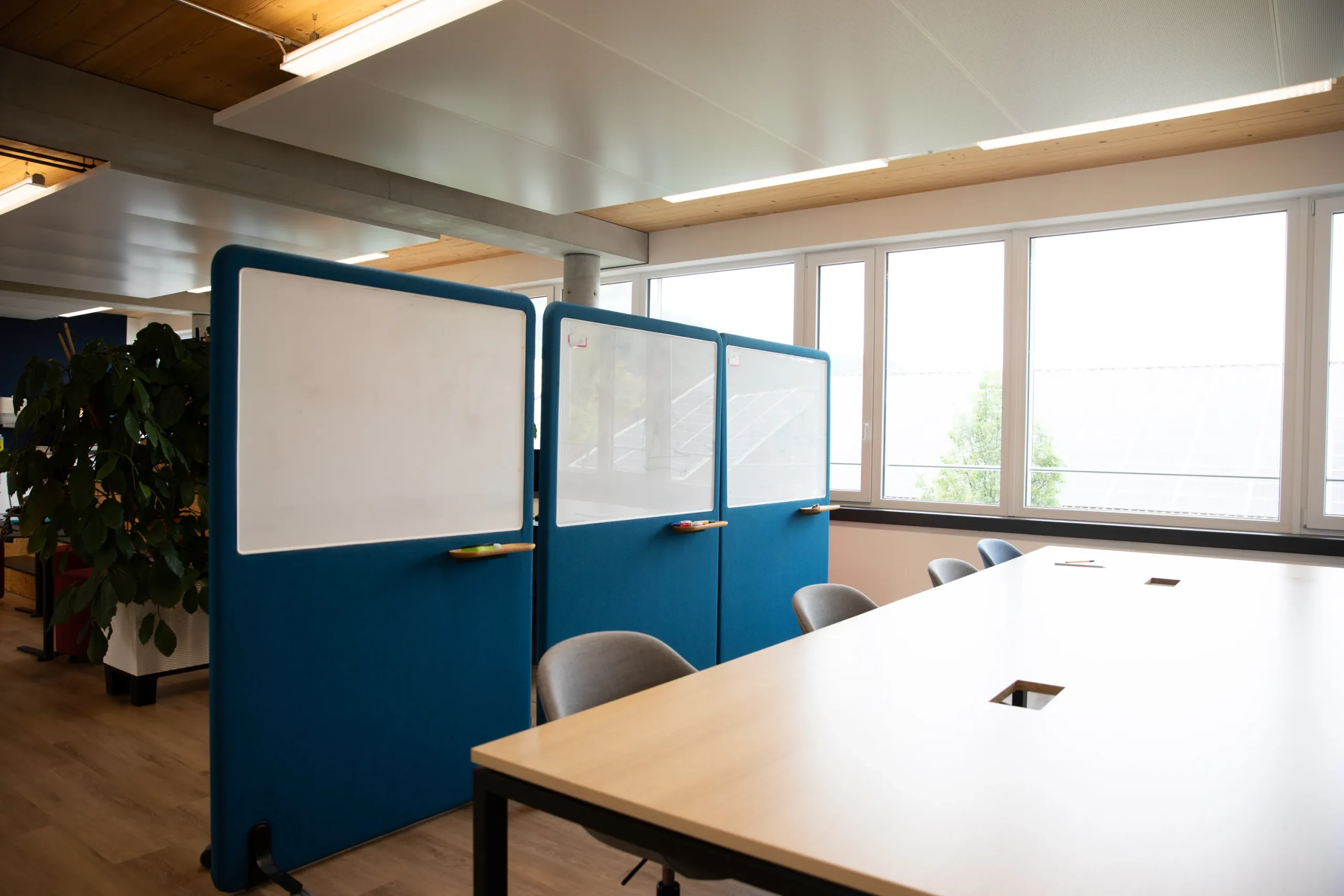
The new concept has successfully integrated laboratories and offices with the aim of fostering cross-functional collaborative work and ensuring a balanced use of the building. A varied selection of hybrid and innovative meeting areas has led to significant improvements in processes and productivity and has enabled the consolidation of other development departments, resulting in greater space savings across the campus.


Recent Insights
Challenges facing the pharmaceutical industry in the future of work
At this event, we had the opportunity to talk to experts about the main challenges facing working practices in the sector....
View moreOne-to-one feedback template: Facilitating constructive conversations
This template provides a structured yet flexible framework that ensures both personal and professional development are addressed, enabling a comprehensive and productive conversation during each session....
View moreSynchronisation Matrix – Collaboration for Hybrid Models
In today’s changing work environment, two key concepts are often discussed: ‘synchronisation’ and ‘on-site collaboration’. But what do they really mean, and when do we need them?...
View more